Baseball Game Coloring Page: Crafts for Kids
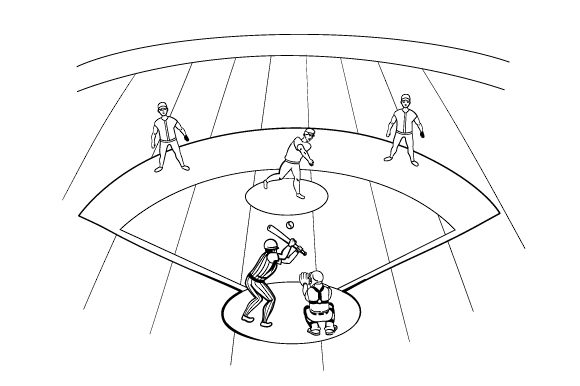
When I first opened the Baseball Game Coloring Page, I immediately saw the potential for a solid, niche digital product. The illustration captures the energy of a baseball diamond — batter at the plate, catcher ready, and a wide open field behind them. The lines are clean, the proportions are friendly without being childish, and there is enough detail to keep a young artist engaged without overwhelming them. As someone who has built several Etsy shops and Creative Fabrica stores, I know that this kind of graphic design asset sits in a sweet spot: it is specific enough to attract a targeted audience (baseball families, little league coaches, sports-themed party planners) yet flexible enough to repurpose across multiple product formats. The Kids category is a natural home here, but the commercial potential goes far beyond a simple coloring book page.
First Impressions and Audience Fit
The mood of the Baseball Game Coloring Page is playful and sporty without being overly aggressive. It feels like a sunny afternoon at the ballpark — warm, nostalgic, and inviting. The visual personality leans toward friendly realism, with a touch of cartoon charm that makes it accessible for children ages four to ten. This is not the kind of hyper-detailed illustration that frustrates younger kids, nor is it so simple that older children lose interest quickly. For a digital seller, that balance is gold. It means the design can attract parents looking for quiet time activities, teachers preparing classroom crafts, and even grandparents assembling a gift bundle for a little slugger. The Crafts angle is strong: this design practically begs to be turned into a project, not just a one-time coloring sheet.
Real-World Shop Scenario: Testing Before Launch
Imagine you are preparing a new seasonal collection for your Etsy shop in early spring. You want to capitalize on the upcoming Little League season, but you also need products that can sell year-round. The Baseball Game Coloring Page arrives as a single file, but you see it as a core asset for a whole product line. Before you write a single listing, you run it through a quick test workflow. You load the SVG into Cricut Design Space to check the cut lines. The transparency in the PNG is clean — no stray white edges around the batter’s helmet. The EPS opens smoothly in Adobe Illustrator, and the DXF imports into Silhouette Studio without errors. You note that the file package is exactly what buyers expect: SVG, transparent PNG, EPS, DXF. That clarity builds trust from the first download.
You then create a mockup of a youth t-shirt design using the PNG, placing the illustration centered on a light blue tee. The contrast works well. You try a mug design next — the image fits nicely on a standard 11 oz mug wrap. You test a printable wall art version at 8.5x11 inches, and the line weight holds up at scale. This is the kind of digital product that rewards a thorough pre-launch review. You want to know exactly how it behaves before you invest time in listing photos and product descriptions.
Multipurpose Uses Across Selling Platforms
The Baseball Game Coloring Page is not just a coloring page. It is a commercial design that can fuel a wide range of sellable products. Here are the real applications I see:
- SVG design for iron-on transfers, Cricut projects, and vinyl decals — perfect for team water bottles, tote bags, or locker decorations.
- PNG design for sublimation on mugs, tumblers, mouse pads, and polyester apparel. The solid lines and open spaces take sublimation ink beautifully.
- Clipart for digital scrapbooking kits, planner stickers, and card-making. The batter can be isolated, the field elements can be reused.
- Sublimation design for full-color prints on ceramic tiles, coasters, and fabric banners. The line art works well as a base for adding team colors.
- Printable wall art — a simple frame with a colored version of this page makes a great bedroom decor piece for a young baseball fan.
- Greeting cards — fold the print into a card for a “Happy Birthday, Slugger” or “Get Well Soon, Champ” message.
- Invitation templates — use the illustration as a focal point for a baseball-themed party invitation, pairing it with a bold display font.
- T-shirt design — screen print or heat press the image onto kids’ tees, button-downs, or hoodies.
- Mug design — wrap the illustration around a ceramic mug with a team name or “Best Batter” text.
- Canva template — import the PNG and build a resizable template for social media posts, event flyers, or digital invitations.
- Cricut project — cut the SVG into layered vinyl for a multi-color decal on a water bottle or laptop.
- Scrapbooking kits — include the line art as a printable element in a “Little League Memories” bundle.
Each of these applications can be listed as a separate product, or bundled together as a design bundle for a higher perceived value. The key is to treat the Baseball Game Coloring Page as a starter asset, not a finished product. That is where the real selling potential lies.
How This Asset Elevates Product Presentation
In a crowded creative marketplace, first impressions are everything. The Baseball Game Coloring Page helps you create strong visual hierarchy in your listing images. Use the PNG with a transparent background to place the illustration against a bright, solid color backdrop. That instantly isolates the subject and makes your thumbnail pop. You can also use the SVG to create a layered mockup — for example, the batter on a baseball diamond background, with a soft shadow for depth. The clean lines mean you can superimpose text without fighting the art. A sans-serif font like Montserrat or a bold display font like Bebas Neue works well for titles. For a softer feel, pair it with a handwritten script font for the “coloring page” part of the listing.
Mockup previews are where you can really sell the idea. Show the design on a real t-shirt, a mug, a framed print, a tablet screen, and a party invitation. Each mockup tells a different story about how the product fits into a customer’s life. The Baseball Game Coloring Page gives you the flexibility to create a cohesive set of listing images that feel professional and trustworthy. That builds brand identity for your shop, especially if you use the same design across multiple products in a series — like a baseball bundle with a matching soccer or football coloring page.
Where the Design Excels — and Where to Be Cautious
This asset works best in medium-to-large product previews, themed bundles, and decorative layouts. The line art is detailed enough to look interesting at a distance, but not so delicate that it gets lost in a small thumbnail. It is excellent for printable products like coloring books, activity sheets, and party activity packs. It also shines in merchandise graphics where the illustration is the star — mugs, tees, tote bags, and wall art.
However, there are a few situations where you should use it carefully. For tiny sticker details — think planner stickers less than 1 inch wide — the lines may become too thick and lose definition when scaled down. If you are cutting the design with a Cricut or Silhouette, you will want to simplify the SVG slightly. The catcher’s mask has a few small openings that could cause issues with intricate cuts. Test a sample cut on scrap vinyl before offering a cut file product. Also, avoid placing the design on dark backgrounds without adjusting the line color. The original is black-on-white, which works great on light shirts and mugs, but on a navy or black tumbler, you will need to invert the art or use a white version. The PNG transparency is clean, but always verify it against a dark background in your mockup tool.
For print-on-demand products, confirm the resolution. The provided files are vector-based (SVG, EPS, DXF) so scaling is not an issue. The PNG should be at least 300 DPI at the intended print size. If you are using it for a large poster, you may need to upscale carefully. I recommend testing the PNG on a 20x30 inch canvas in Photoshop to see if any pixelation appears. For most standard products (mugs, tees, 8x10 prints), the resolution is more than adequate.
Practical Seller Notes for a Smooth Launch
Before you hit publish on any listing, run through this checklist. First, test the design on real product mockups, not just flat digital files. See how it looks on a white t-shirt, a kraft paper tag, a ceramic mug, and a tablet screen. Second, preview it as a marketplace thumbnail — shrink the image to 200x200 pixels and ask yourself if it still reads as a baseball game. If the detail muddles, consider simplifying the composition for the thumbnail or adding a bold title overlay. Third, check how it appears on both white and dark backgrounds. Export a version with a white background for certain applications, and keep the transparent PNG for flexible use. Fourth, test print colors if you are sublimating or using a color printer. The line art is black, but some printers render black as a dark gray. Print a sample on the intended material. Fifth, verify the PNG transparency — open it in a program that supports transparency and look for halos or rough edges. Sixth, inspect the SVG cut quality. Open the SVG in Design Space or Studio and simulate a cut. Look for open paths or overlapping lines that could cause the machine to cut incorrectly. Seventh, organize your files clearly for customers. Rename them with descriptive titles like “BaseballGame_ColoringPage_SVG.svg” and include a readable instruction sheet. Eighth, pair the design with appropriate font styles. A serif font gives a classic sports feel, a sans-serif keeps it modern, a script font adds a handmade touch, and a display font makes a bold statement. Choose one that complements the illustration without competing. Finally, confirm your commercial license. The Baseball Game Coloring Page is a digital product designed for commercial use, and you are allowed to sell finished products using the design. However, you may not resell the raw digital files themselves. That is standard for this type of design asset. Always read the license terms from the original creator so you can confidently sell your mugs, shirts, and printables without worry.
Building a Cohesive Product Collection
One of the smartest moves I have seen digital sellers make is to build a small collection around a single graphic design asset. Start with the Baseball Game Coloring Page as your anchor. Create a printable PDF coloring book for kids, a t-shirt design for toddlers, a mug design for coaches, a tote bag for moms, and a set of party invitations. That gives you five distinct products from one source file. Then, bundle them into a “Baseball Party Printables” pack. List each product individually, and also offer a bundle at a discount. This increases your average order value and gives customers a reason to buy more. The Baseball Game Coloring Page supports this kind of collection because the illustration is versatile enough to work across different product types without feeling stretched.
Final Thoughts on This Asset for Sellers
The Baseball Game Coloring Page is a well-executed printable design that fits naturally into the Kids and Crafts categories. It is not a gimmick — it is a solid, usable piece of art that can generate real revenue when used strategically. The file formats are exactly what today’s digital sellers need: SVG, transparent PNG, EPS, and DXF. The illustration is clean, sporty, and appealing to a broad demographic of baseball fans. If you are an Etsy seller, a print-on-demand entrepreneur, a Cricut creator, or a designer building a small business branding kit, this asset is worth testing. Test it on mockups, test it on your cutting machine, test it on a mug press. The more you experiment, the more product ideas you will uncover. And when you find the right combination, that single coloring page can become the foundation of a profitable product line that keeps selling season after season.