Game on SVG Design: Review for Embroidery Projects
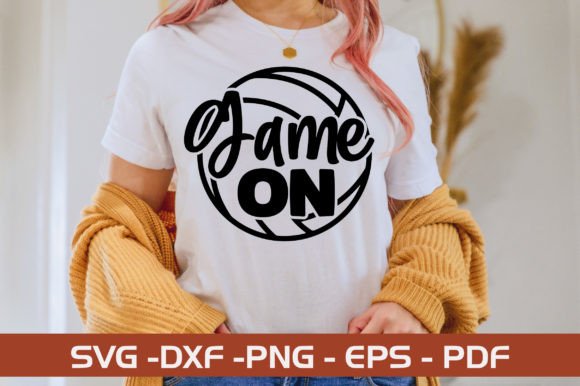
As an experienced designer who regularly tests digital files before stitching them into real products, I’ve learned to look past the preview image and think about how a design will actually perform under the needle. When I first opened the Game on SVG Design, I saw a word-by-layer layout that immediately felt bold, energetic, and modern. The phrase “Game on” carries a competitive, playful vibe—perfect for gaming enthusiasts, sports fans, or anyone who needs a motivational push. The layered composition suggests depth: a base layer, a main text layer, perhaps a shadow or outline. That kind of structure can work beautifully in embroidery if handled carefully, but it also brings challenges that a designer should consider before sending it to a client or sewing it onto a product.
I evaluate every design with a real project in mind. For this review, I imagined preparing a custom embroidered tote bag for a local esports tournament. The organizers wanted something that felt professional but also fun—something that would catch attention at a booth during a live event. The Game on SVG Design seemed like a natural fit because of its clean, uppercase letters and the way the layers create a sense of motion. The design’s mood is confident and a little cheeky, which works well for a younger audience or anyone who appreciates a bit of swagger in their accessories.
When I consider how Game on SVG Design performs in real embroidery situations, I think about the variety of products that could carry it. Custom apparel is the most obvious: sweatshirts, t-shirts, hoodies, and even caps. The bold letters hold up well on a chest or back placement. For a tote bag, the design sits nicely in the center, especially if you size it around four to five inches wide. I’ve also imagined it on embroidered patches, which you could then attach to backpacks, jackets, or hats. The layered look gives a patch a dimensional feel, almost like a stacked vinyl applique. It would also work on aprons for a cooking or gaming-themed kitchen, pillow covers for a game room, or tea towels as a fun housewarming gift. Baby embroidery might be a stretch unless you significantly simplify and resize the layers—the design’s mature tone doesn’t scream “nursery,” but a clever maker could adapt it for a onesie with a “game on” twist for a gaming parent. Holiday gifts, wedding gifts, or boutique products could all benefit from the personalization that this design allows, especially when you embroider the recipient’s name or a date alongside the phrase.
Of course, not every embroidery situation is ideal for this design. You need to be careful in several scenarios. Small hoop sizes are a risk—if you try to cram the entire layered design into a 4x4 hoop, the individual letters and the spaces between them will become too tiny to read clearly. Details like the thin gaps between layers can close up, and the stitching will look muddy. Textured fabrics like fleece, bouclé, or heavy sweater knits can distort the layers, especially if the design has a lot of satin stitch areas. Stretchy fabrics require a cutaway stabilizer and careful hooping to prevent the letters from warping. Thin fabrics like lightweight cotton or silk may show the back of the stitches, so you’ll need a water-soluble topping and a soft backing. Dark fabric is manageable if you choose thread colors that contrast strongly—white or bright neon works best—but avoid using dark blue or black thread on a dark shirt, or the design will disappear. Layered garments like hoodies with a thick front pocket or a zipper can make hooping difficult; you may need to use a floating method. Curved surfaces like caps or the side of a bag require a smaller version of the design and a curved hoop or a cap frame. Detailed corners and tiny lettering are not strengths of this design because it was originally created as an SVG for cutting, not for fine embroidery. If you try to shrink it too much, the sharp corners may become rounded, and the fill stitches could lose definition. Dense stitch areas can cause puckering on lightweight fabrics—always test the stitch density after digitizing. For products that need frequent washing, like kitchen towels or baby items, use a high-quality polyester thread and a stabilizer that won’t break down in the wash.
How does Game on SVG Design affect the final product’s visual appeal and value? In my experience, a well-executed embroidered version of this design immediately elevates a handmade product. Customers see the phrase, recognize the energy, and feel a connection to the gaming or sports culture it represents. The stitching clarity depends on how you digitize the SVG—if you convert it into a proper embroidery file with clean satin stitches for the outlines and fill stitches for the letters, the result can look professional and crisp. Thread color contrast is critical: I would test the design in black and white mockups first to see if the layers separate visually. A light background with dark thread (or vice versa) usually works best. The design’s boldness helps it stand out on a booth at a craft fair or in an Etsy listing photo. It also adds a layer of personalization that makes the item feel like a thoughtful gift, which increases buyer engagement and customer trust. For a small shop owner, using this design consistently across a line of products can build brand consistency—especially if you pair it with a logo or a custom color palette. The giftability is high: a tote bag or sweatshirt with “Game on” embroidered in cool colors appeals to teenagers, gamers, and even corporate team-building events. Professionalism comes from the finish—no loose threads, no distorted letters, no gaps. That’s what turns a simple SVG into a product that people are happy to pay for.
Before you stitch this design into a final product, here are practical notes I’ve gathered from testing similar layered SVG files. Test the design on scrap fabric first—use the same fabric type you plan to use for the final product. Check thread color contrast by laying the actual thread colors next to the fabric; computer screens can be misleading. Review stitch density after digitizing: if the SVG has overlapping layers, you may need to adjust the underlay or split the layers to avoid a thick, stiff area. Confirm hoop size before you cut the fabric; the design should fit with at least half an inch of margin on all sides. Inspect small details like thin strokes or sharp points—if they are narrower than about 0.5 mm, they may not stitch well. Test it in black and white mockups to see if the layers read clearly without color. Compare light and dark fabric backgrounds to decide which version to sell. Use proper stabilizer: cutaway for knits and stretchy fabrics, tearaway for stable wovens, and a water-soluble topping for textured surfaces. Check whether the design works for both personal and commercial projects—the product description says “digital download only” and “word by layer SVG files,” but it does not specify license terms. I recommend contacting the seller to confirm whether you can use the design on finished products for sale, or if you need to purchase a separate commercial license. Remember that this is an SVG file, not a machine embroidery file—you will need to convert it to formats like DST, PES, or EXP using embroidery software or a digitizing service. Some Cricut users may also use it for iron-on vinyl, but for true embroidery, you must digitize it properly. Always test the design on a similar fabric before committing to a batch of products.
In the Crafts category, this design serves as a digital graphic, but its real value appears when it becomes a handmade product. The Graphics are clean and modern, making them easy to adapt for both cutting and embroidery. If you are an Etsy seller or a small shop owner looking for a design that resonates with a gaming or active lifestyle audience, Game on SVG Design is a solid choice—provided you take the time to test it, adjust the stitch density, and pair it with the right fabric and stabilizer. The finished product, whether it’s an embroidered patch, a custom tote bag, or a sweatshirt, will carry that confident “Game on” energy that your customers will love. Just remember: the design is only as good as the digitizing and the preparation. Put in the work upfront, and you’ll have a product that looks professional, feels durable, and sells well.